
From Novice to Confident Investor: Your No-Stress Roadmap to Gold and Silver
From Novice to Confident Investor: Your No-Stress Roadmap to Gold and Silver
Learn the insider strategies to start investing in precious metals — without the confusion, unknown risks, or guesswork.
Your No-Stress Roadmap to Gold & Silver Investing!
Let’s be honest—investing in precious metals can feel intimidating at first. You’re bombarded with conflicting advice, a flood of unfamiliar terms, and the ever-present fear of making the wrong move. But here’s the good news: you don’t have to be an expert to invest in gold and silver. You just need the right information, presented in a way that makes sense.
That’s exactly what this guide is for.
At Atlas Bullion, we believe investing in gold and silver shouldn’t be complicated or stressful. Whether you’re looking to protect your wealth, diversify your portfolio, or simply own something of real, tangible value, we’re here to help you navigate every step of the way.
This isn’t another dry, jargon-filled investment manual. Instead, think of it as a conversation with a trusted friend—one who’s been in the game for years and knows exactly what works (and what doesn’t). We’ll break things down simply, cut through the noise, and give you the confidence to make smart, strategic decisions.
Why gold and silver remain two of the most reliable stores of value in history.
How to avoid common pitfalls that trip up new investors.
The best strategies for buying, storing, and protecting your metals.
How to start stacking today — without fear, confusion, or guesswork.
By the time you finish this guide, you’ll understand:
Let’s get started!
Chapter 1: Why Precious Metals?
For centuries, civilizations have sought one thing in times of uncertainty—something real. Something that doesn’t vanish with a market crash, doesn’t lose value with the stroke of a government pen, and isn’t just another number on a screen. That something is gold and silver.


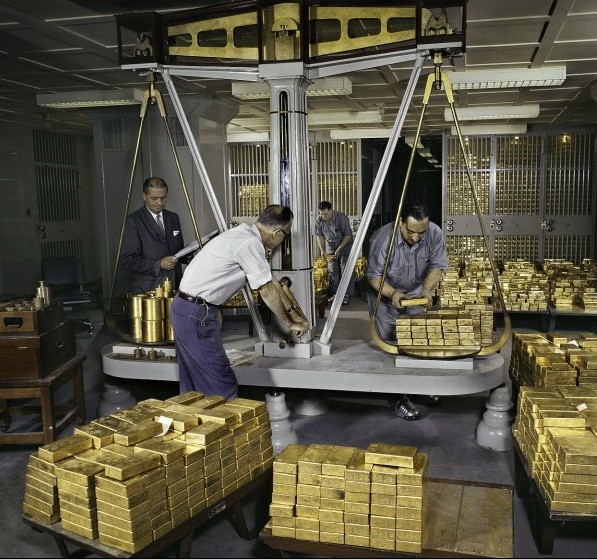
Today, we live in an age where everything is digital, intangible, and increasingly unstable. Stock markets rise and fall on speculation, fiat currencies lose purchasing power year after year, and banks—well, let’s just say they don’t always have your best interests at heart. But precious metals? They are the great equalizer. The ultimate store of value. The financial insurance policy you control, on your terms.
In this chapter, we’ll break down exactly why gold and silver have stood the test of time, why fiat currencies always fail, and why every investor—whether a beginner or seasoned expert—should have metals in their portfolio.
A Currency Older Than Empires


Gold and silver aren’t just commodities. They are money. Long before paper dollars, credit cards, or digital transactions, precious metals were the foundation of every major economy. From the Roman denarius to the Spanish doubloon, real wealth was measured in ounces—not paper.
Even today, central banks and nations stockpile gold as a reserve asset. Ever wonder why? Because when everything else fails, gold and silver remain. Unlike currencies, which can be printed into worthlessness, metals retain value because they are scarce, difficult to mine, and universally recognized as wealth.
The Problem With Fiat Currency
Most people don’t realize it, but modern paper money isn’t backed by anything tangible. It’s called fiat currency—which simply means it has value because the government says it does. That’s it. No gold backing. No silver reserves. Just trust.
Here’s the problem: fiat currencies always lose value over time. Every single one. The U.S. dollar, the Euro, the Yen—none of them hold their purchasing power indefinitely. Why? Because governments print money whenever they need to. And when you flood the market with more of something, its value drops.

Take the U.S. dollar, for example. Since 1913, it has lost over 96% of its purchasing power. That means a dollar today buys a fraction of what it did 100 years ago. Compare that to gold: in 1913, one ounce of gold was about $20. Today? Over $2,500. The math speaks for itself.
Gold & Silver: The Ultimate Hedge Against Inflation
Inflation is a hidden tax. It quietly erodes your savings, making everything more expensive while your paycheck stays the same. Precious metals, however, act as a shield against this.
When inflation rises, gold and silver historically rise with it. Why? Because people flock to real assets when they lose confidence in paper money. In times of economic uncertainty, metals become the safe haven investors turn to—just like they have for thousands of years.



Inflation in the U.S. skyrocketed during the 1970s. Gold responded by increasing over 2,300% in value throughout the decade. (1970-1980) Something similar happened in 2008 during the financial crisis. And today, as inflation continues creeping up, gold and silver are proving their worth once again.
In 1953, a dozen eggs cost just $0.58—roughly the value of a silver half dollar at the time. That same silver half dollar, today its melt value is $11.35—enough to buy nearly two dozen eggs at today’s prices. (2/2/25) The cheapest eggs at my grocery store are around $6 per dozen.
Fiat currency weakens over time, while gold and silver continue to hold their value.
Precious Metals = Your Personal Financial Insurance

Here’s the thing: no one knows what the future holds. Markets crash. Banks fail. Governments make bad decisions. But with precious metals, you have something solid.
Gold and silver act as your personal financial insurance policy—but unlike traditional insurance, there are no monthly fees, no middlemen, and no limits on how much you can own. You decide how much to stack, when to buy, and when to sell. Complete financial freedom.
Think about it this way:
- Stocks can crash overnight.
- Banks can freeze accounts.
- Real estate is expensive to sell.
But gold and silver? You can buy, hold, and sell anytime—on your terms.
Easy to Buy, Easy to Sell, Always Yours.
One of the best things about precious metals? Liquidity. You’re never locked in. If you ever need cash, selling metals is quick and easy. Unlike real estate, which can take months to offload, gold and silver can be sold instantly—often for a price that beats inflation.
And unlike stocks, you don’t need a brokerage account. No third parties. No waiting periods. Just tangible, real wealth in your hands.
Gold & Silver Are for Everyone
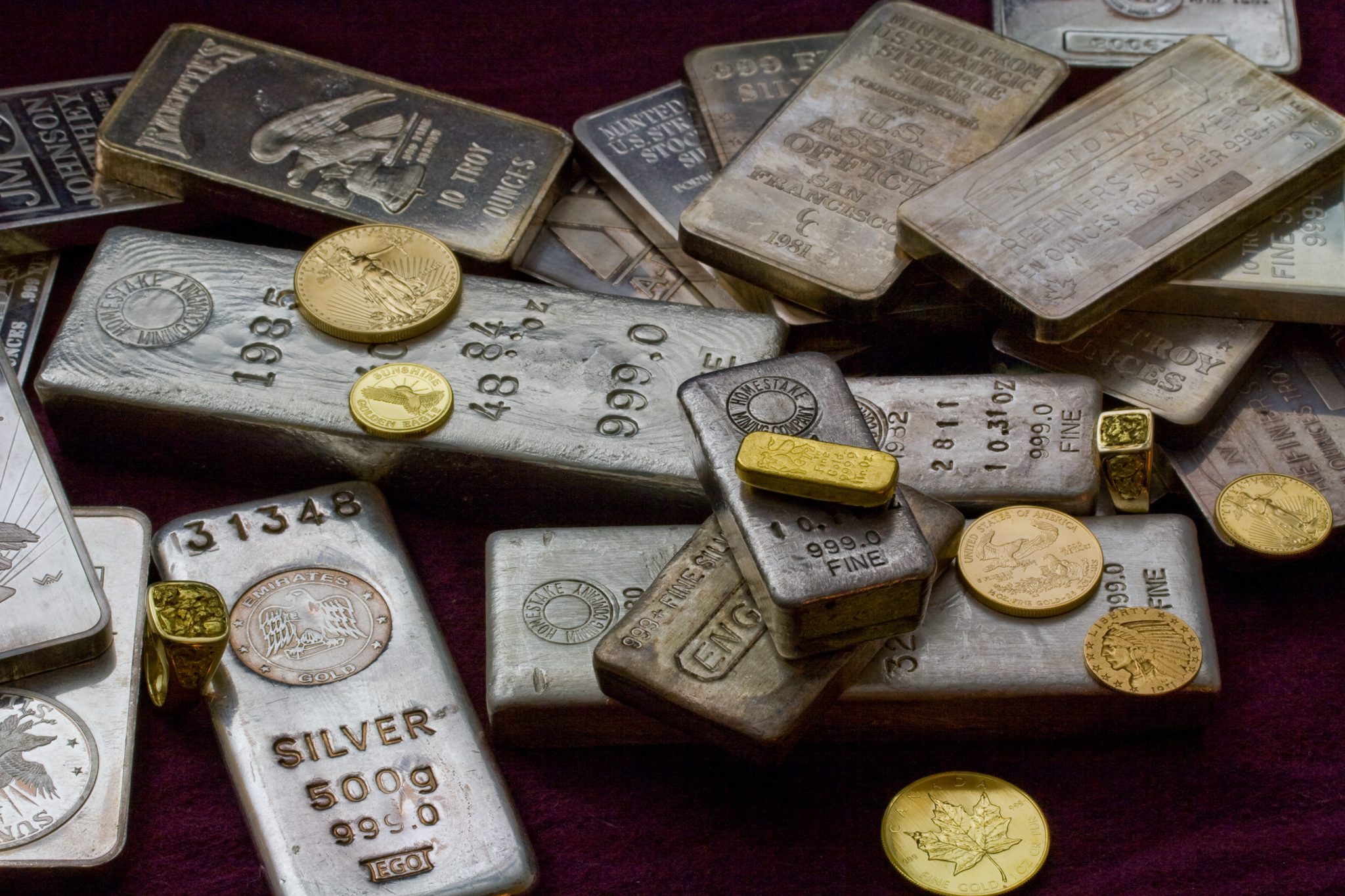
You don’t have to be a millionaire to invest in gold and silver. Whether you’re buying a single silver coin or building a substantial portfolio, every ounce matters.
The best part? You’re in control. You decide how much to invest, how often to buy, and how to store it. No one can devalue your metals, print more of them, or take them away from you. That kind of financial security is priceless.
Chapter 1 Final Thoughts:
If you take one thing away from this chapter, let it be this: gold and silver aren’t just another investment—they are the foundation of real wealth.
They protect your purchasing power. They hedge against inflation. They give you financial independence in an uncertain world. And most importantly, they put control back in your hands.
In the next chapter, we’ll dive into the nuts and bolts of stacking—helping you understand the different types of gold and silver, how to spot good deals, and what to look for when buying.
Let’s build your financial future—one ounce at a time.
Chapter 2: Understanding Gold & Silver

Gold and silver are more than just shiny metals—they are the backbone of wealth preservation. But not all gold and silver are the same. If you’ve ever looked into buying bullion, you’ve probably come across terms like “.999 fine,” “numismatic,” “spot price,” and “premium.” What does it all mean?
In this chapter, we’ll break it all down in a way that’s easy to understand. By the end, you’ll know the key differences between gold and silver, how to choose the right type for your investment goals, and what factors influence their value.
The Basics: What Makes Gold & Silver Valuable?

Gold and silver have been used as currency for over 5,000 years. Their value isn’t based on speculation or government decree—it’s based on their scarcity, durability, and universal demand.
Here’s why they stand apart from other assets:
✔ Scarcity – Gold and silver are finite resources. You can’t print more of them like paper money.
✔ Durability – Unlike stocks or digital assets, metals don’t degrade, rust, or disappear in a market crash.
✔ Intrinsic Value – Precious metals have been valued across all civilizations, regardless of economic conditions.
While gold is primarily used for wealth storage and jewelry, silver has major industrial demand, making it both an investment and a commodity essential to modern technology.
Gold vs. Silver: Which Is Right for You?

Gold and silver share many qualities, but they have distinct roles in an investment portfolio.
Most cautious and diverse stackers want to own both gold and silver, balancing gold’s stability with silver’s potential for growth.
Gold: The Ultimate Store of Value
- More expensive per ounce, making it easier to store large amounts of wealth in a small space.
- Historically more stable than silver, with lower volatility.
- Used as a long-term store of value and wealth protection.
Silver: The Accessible & Practical Metal
- More affordable, allowing for fractional investments.
- Higher market volatility, meaning prices can rise and fall more dramatically than gold.
- Has significant industrial demand (used in electronics, solar panels, medical devices, etc.), adding another layer of value.
Understanding Purity & Fineness: What Does .999 Mean?
When buying gold and silver, purity matters. The fineness of a metal refers to how pure it is, measured in parts per thousand.
Here’s a quick breakdown:
✔ .999 fine silver = 99.9% pure silver (most bullion and investment-grade silver).
✔ .9999 fine silver = 99.99% pure silver (premium silver, typically found in select investment-grade bars and coins).
✔ .9999 fine gold = 99.99% pure 24k gold (common for investment-grade gold bars).
✔ 22-karat gold (91.6% pure) = Often used for coins like American Gold Eagles, which contain a mix of gold and alloy for durability.

Pro tip: When investing, stick with high-purity gold and silver to ensure you get maximum value.
For example, by choosing .9999 over .999, you get 1 extra ounce of pure silver for every 1,000 oz of silver you buy.
🔹 Why It Matters: Over large holdings, this difference adds up. If you’re stacking 10,000 oz of silver, buying .9999 instead of .999 would give you 10 extra ounces of pure silver at no additional weight cost.
Types of Precious Metals Investments
Not all gold and silver investments are created equal. Let’s break down the most common types and their pros and cons.
1. Bullion Coins
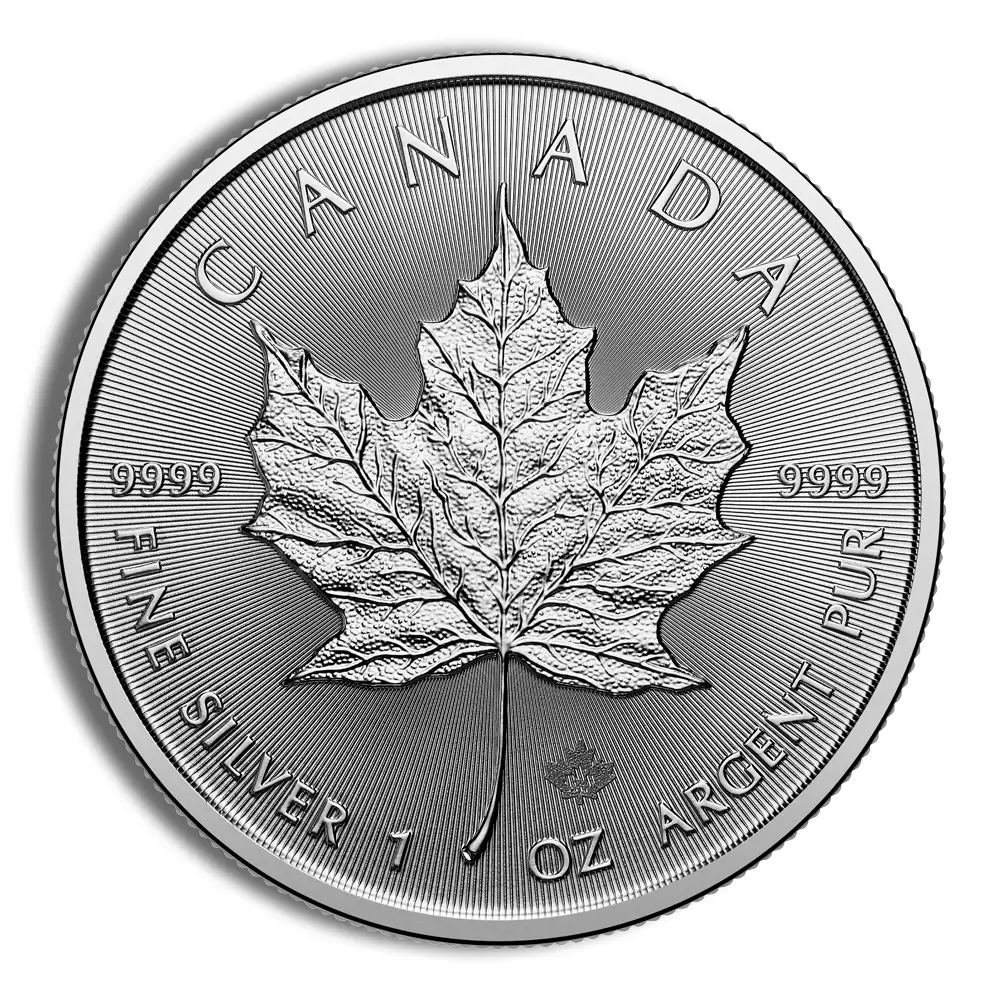
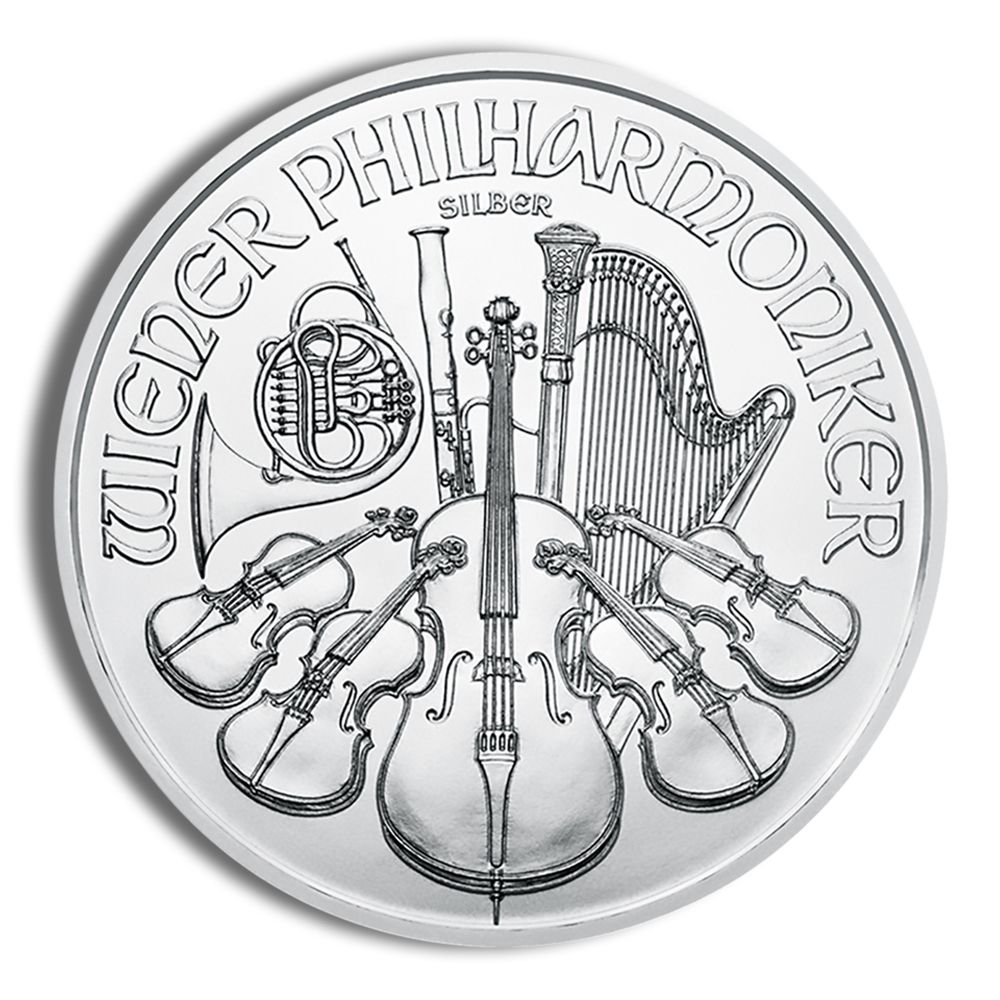
What they are: Government-issued coins made of pure gold or silver, carrying a Face Value (FV) but primarily valued for their precious metal content.
Examples Include:
- American Eagle – $50 FV (1 oz gold)
- Canadian Maple Leaf – $50 CAD FV (1 oz gold)
- Austrian Philharmonic – €100 FV (1 oz gold)

Why investors like them:
✅ Recognized worldwide and backed by government mints.
✅ Easy to sell due to strong demand and standardization.
✅ Face Value (FV) adds legal tender status, though the metal content is worth significantly more than the FV.
🔹 Why Face Value Matters:
While bullion coins are not meant for spending, their legal tender status offers peace of mind and makes them easier to trade or transport across borders.
2. Bullion Bars & Rounds
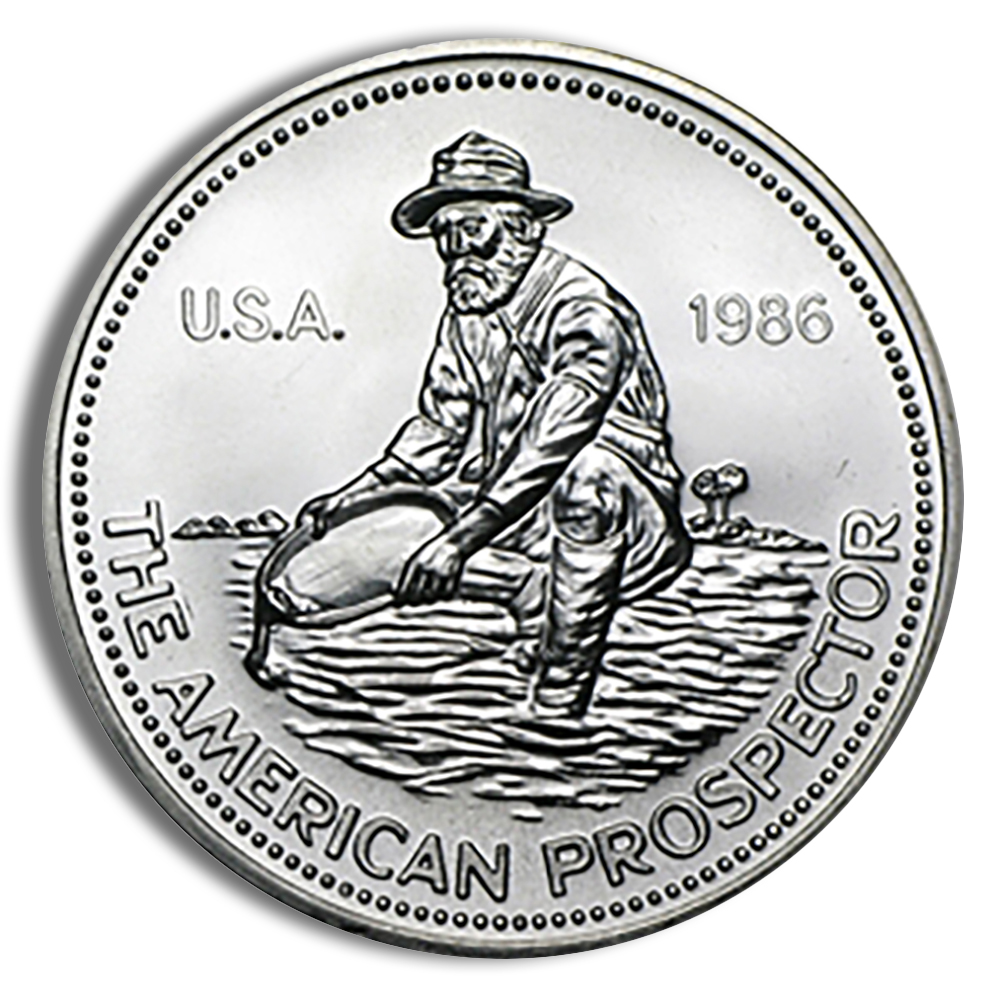
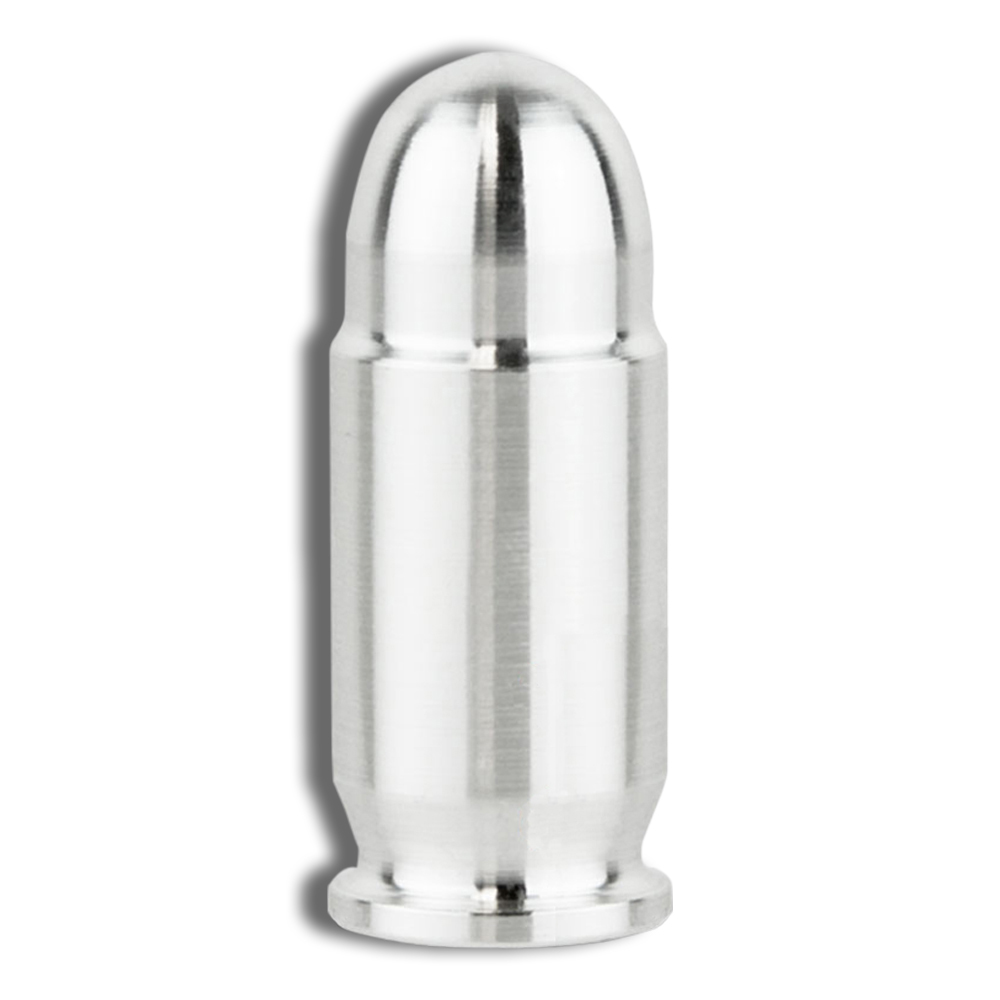
What they are: Gold or silver bars and rounds, typically .999 or .9999 fine, available in various sizes from 1 oz to 1,000 oz. Unlike government-minted coins, these are produced by private mints.
Examples:
✔ Gold Bars: PAMP Suisse, Valcambi, Royal Canadian Mint, Credit Suisse, Asahi
✔ Silver Bars: Royal Canadian Mint 10 oz, Asahi, Germania Mint
✔ Silver Rounds: Silver Buffalos (most common), Silver Aztecs, Germania Mint Rounds, Silver Shield Rounds


Why investors like them:
✅ Lower premiums than government-issued coins, allowing investors to stack more metal for their money.
✅ Easier to accumulate in bulk for long-term wealth preservation.
✅ Trusted private mints (such as PAMP Suisse, Royal Canadian Mint, and Valcambi) offer well-recognized bullion with serial numbers and assay cards for authentication.
Things to Consider:
🔹 Lack of Mintage Data – Unlike coins, bullion bars and rounds often don’t have set mintage numbers, which means there’s often no added collector demand or premium when going to sell.
💡 Pro Tip: Be Selective with Generic Silver Buffalos

Generic Silver Buffalo rounds are among the most widely available silver rounds and bars, but that can be a downside. Since dealers always have them in stock, they do not carry a premium when reselling. If you’re stacking for pure metal weight, they’re okay, but if you ever want to sell and get any premium back, you’re better off diversifying your silver rounds with more sought-after designs. For example for almost the same price you could pick up some Silver Unity Rounds. They have a beautiful design and aren’t always widely available.
3. Numismatic & Collectible Coins
What they are: Rare, historical, or limited-edition coins that carry value beyond just their metal content. Their worth is influenced by factors like rarity, condition (grade), and collector demand rather than just gold or silver weight.
Examples:
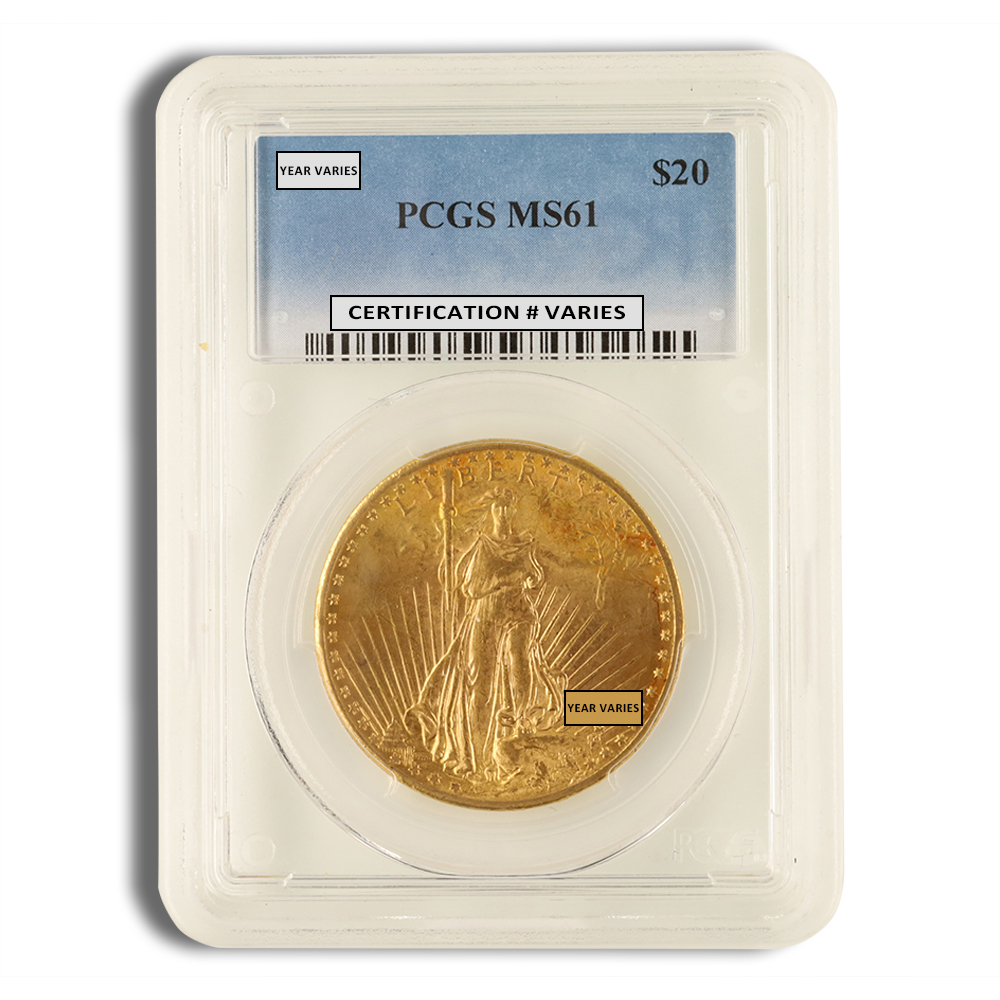
✔ Classic U.S. Coins: Morgan Dollars, Peace Dollars, Pre-1933 Gold Coins (Saint-Gaudens Double Eagles, Liberty Head Gold)
✔ Certified & Graded Coins: PCGS/NGC-graded American Silver Eagles, Proof Gold Buffaloes, Mint State Morgan Dollars
✔ Limited-Mintage Silver Rounds: Silver Shield Mini Mintage, Germania Mint Series, Intaglio Mint
✔ Poured Silver Bars & Art Pieces: Monarch Precious Metals, MK Barz, Yeager’s Poured Silver
✔ Special Series Coins & Rounds: Perth Mint Lunar Series, Scottsdale Tombstone Nuggets

Why investors like them:
✅ Historical & Rarity Value – Unlike generic bullion, some special series and limited-mintage items appreciate in value over time due to collector demand.
✅ Potential for High Returns – Some high-grade numismatic pieces, low-mintage rounds, and special poured silver pieces have seen strong appreciation.
✅ Collector Appeal – Many investors enjoy the artistry, craftsmanship, and uniqueness of these types of silver and gold.
Things to Consider:
🔹 Higher Markups – Some collectible rounds and numismatics carry significantly higher premiums than standard bullion.
🔹 Market Demand Can Fluctuate – Unlike bullion, where value is tied to metal prices, these collectibles rise or fall based on collector interest and availability.
🔹 Authenticity & Mintage Matter – Smaller mintage numbers can drive demand, but only if buyers recognize the brand or series.
💡 Pro Tip: Stack Where You See Value & Stay Diversified

Silver premiums move up and down weekly, and no single category of bullion is always the best buy. Instead of focusing only on limited mintages or rock bottom premiums, a well-diversified stack gives you flexibility when selling and adapting to the market.
🔹 The Key? Buy where you see value. Some weeks, bars may have the lowest premiums, while other times, specialty silver may hold strong resale potential. The more diversified your stack, the more options you have when it’s time to sell or trade.
4. Junk Silver (90% Silver Coins)
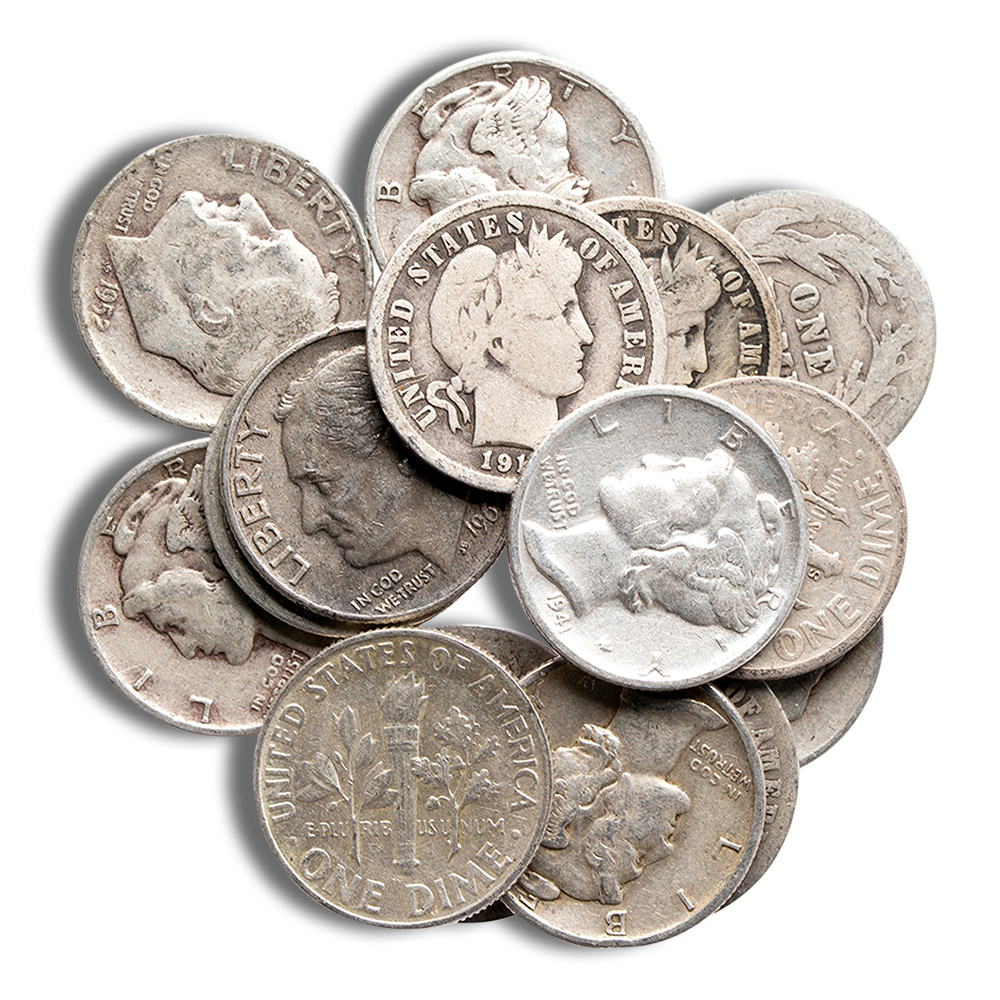
What they are: Pre-1965 U.S. dimes, quarters, and half dollars containing 90% silver (also called constitutional silver). These coins were once everyday currency but are now valued for their silver content.
Examples:
✔ Dimes – Mercury Dimes, Roosevelt Dimes (Each = ~0.0723 oz silver)
✔ Quarters – Washington Quarters (Each = ~0.1808 oz silver)
✔ Half Dollars – Franklin & Kennedy Half Dollars (Each = ~0.3617 oz silver)
Why investors like them:
✅ Recognizable & Fractional – Unlike bullion, these coins were used in circulation and are widely accepted for their silver value.
✅ Good for Barter & Trade – Many stackers consider Junk Silver a great SHTF/barter tool due to its small denominations.
✅ Affordable Entry Point – Historically, Junk Silver has been one of the cheapest ways to stack fractional silver.
Things to Consider:
🔹 Higher Premiums & Market Spikes – Junk Silver has gained popularity, leading to higher premiums at times—sometimes making other forms of fractional silver a better buy.
🔹 Not Pure Silver – Contains 90% silver, 10% copper, meaning you get less pure silver per ounce compared to .999 bullion.
🔹 Wear & Tear Matters – Some older coins have lost silver weight due to circulation wear, slightly reducing their melt value.
💡 Pro Tip: Consider Fractional Silver Beyond Just Junk Silver
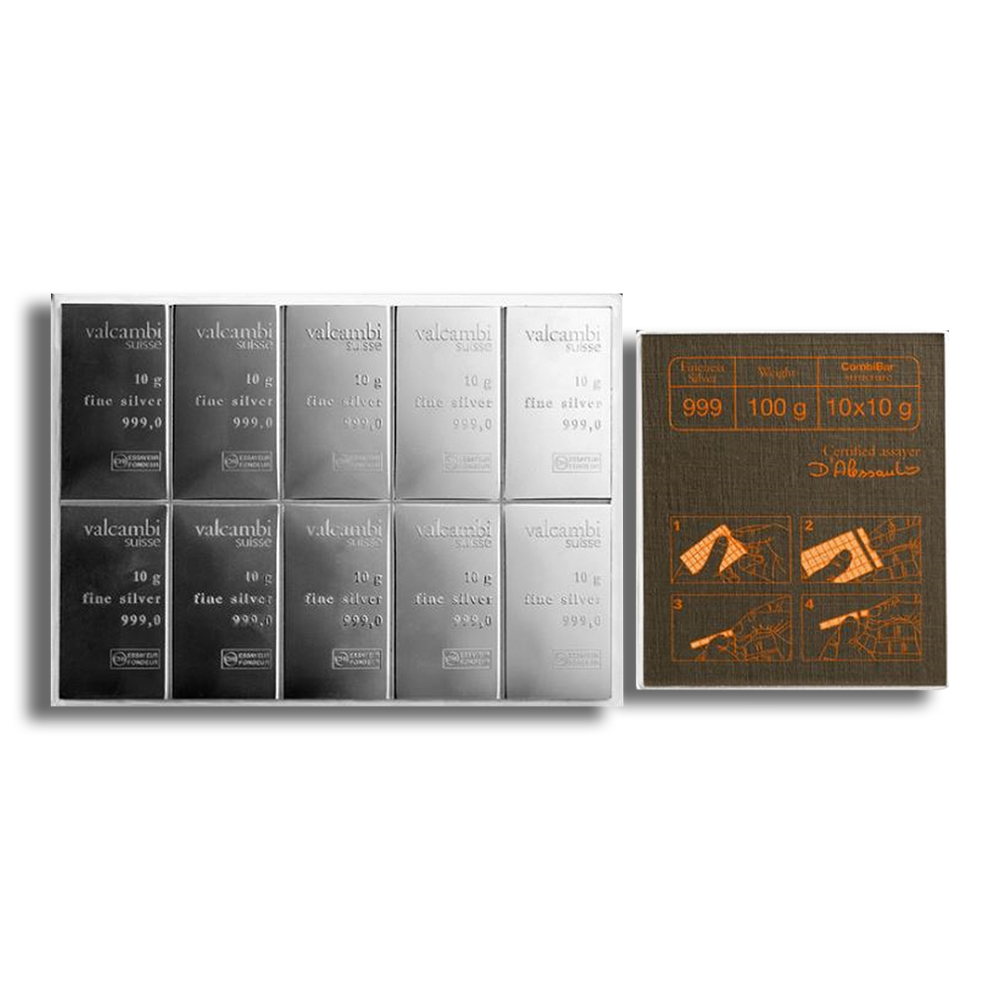
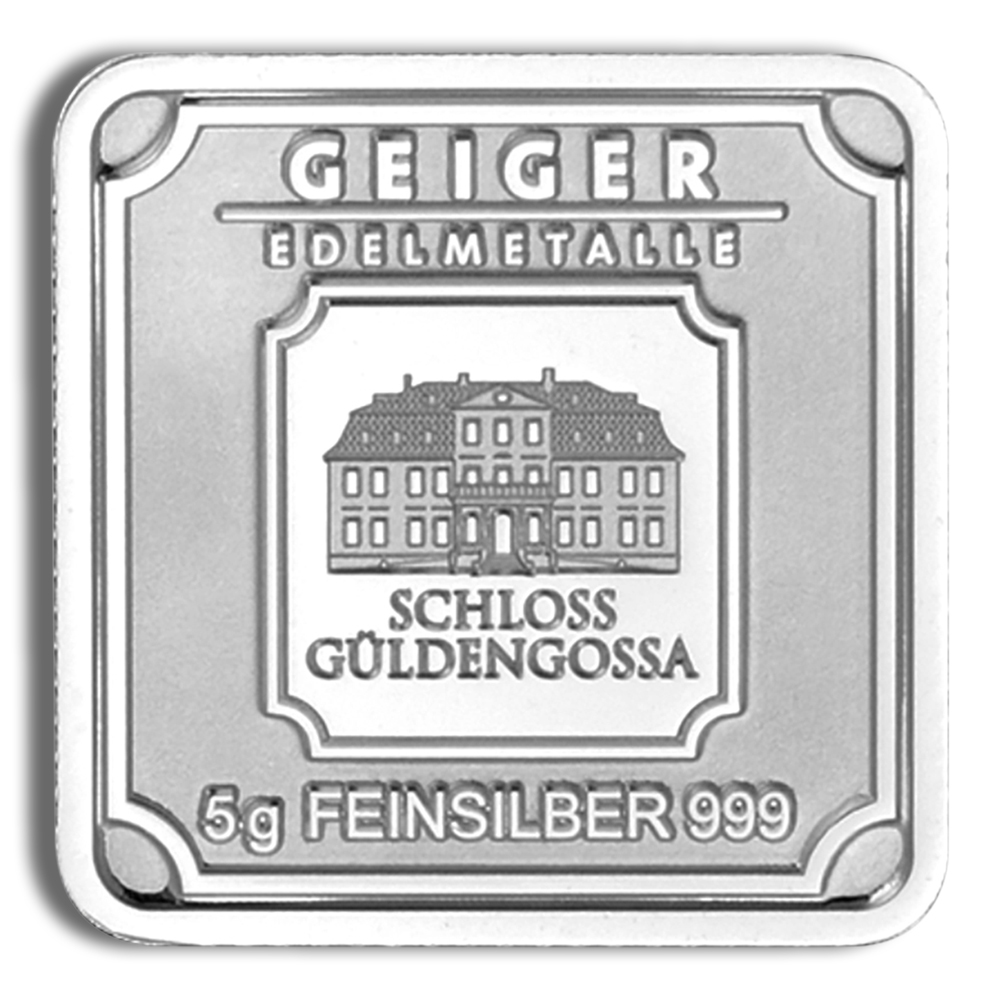
While Junk Silver is a classic way to stack fractional silver, it’s not always the best option. Sometimes, 1-gram silver bars, 1/10 oz silver rounds, or fractional silver bullion coins can be a better value—offering higher purity, less wear, and more flexibility at a comparable price.
If premiums on Junk Silver spike too high, consider stacking small fractional silver bullion instead. A well-balanced stack includes a mix of different fractional silver options to give you more flexibility when it’s time to sell or trade.
Closing Thoughts on the Different Types of Gold & Silver
Whether you’re stacking government-minted coins, bullion bars, specialty rounds, or even junk silver, each type of gold and silver serves a different purpose in a well-diversified portfolio. Some options offer historical significance and collectibility, while others focus purely on metal content and liquidity. Even digital metals and ETFs have a role for those seeking exposure to gold and silver within the financial system—but they come with counterparty risks.
At the end of the day, physical gold and silver are the only assets that carry no counterparty risk—no middlemen, no paper contracts, just real, tangible wealth that’s yours to hold, store, and control on your terms.
Spot Price vs. Premiums: What You Need to Know

Every gold and silver investor should understand two key pricing terms:
✔ Spot Price: The current market price of one ounce of gold or silver. This fluctuates based on supply and demand.
✔ Premium: The additional cost over spot price, covering minting, dealer markup, and demand.
For example, if silver’s spot price is $35/oz, but a Silver Eagle costs $45, that extra $10 is the premium.
Why Premiums Vary
- Government-backed coins (like Eagles or Maple Leafs) have higher premiums due to demand.
- Silver generally has higher premiums than gold, as the percentage above spot is greater.
- Smaller bars and coins tend to have higher premiums per ounce than larger bars.
Want to get the best deal? Compare premiums between different products and avoid overpriced collectibles unless you’re specifically into numismatics.
How to Spot Fake Gold & Silver
Unfortunately, counterfeit gold and silver are a real problem. Knowing how to verify authenticity is crucial!
✔ Weight & Dimensions: Bullion coins and bars have precise measurements—use a scale and calipers.
✔ Magnet Test: Gold and silver aren’t magnetic. If it sticks to a magnet, it’s fake.
✔ Ping Test: Pure silver rings with a high-pitched sound when tapped.
✔ Acid Test: A small drop of acid can verify purity (best for experienced investors).
✔ Buy from Reputable Dealers: The safest way to ensure authenticity.
💡 Pro Tip: Get Your Gold & Silver Tested Professionally
If you want extra reassurance about your metals, take them to any reputable gold or silver dealer for testing. Many dealers have tools like electronic testers or acid kits to verify authenticity.

Best Option? Find a dealer with an XRF (X-ray fluorescence) machine—these provide a non-destructive, highly accurate analysis of metal content, confirming purity down to trace elements. While not every shop has one, it’s worth checking if you want the most reliable testing available.
✔ Extra tip: Call ahead and ask if they offer metal verification services—you should be able to find a dealer willing to test for free! If they want to charge walk away!
Final Thoughts: Making Smart Gold & Silver Investments
Understanding gold and silver isn’t complicated, but having the right knowledge is essential. Whether you’re stacking silver bars, investing in gold coins, or just getting started, the key is buying smart, knowing what you own, and staying informed.
In the next chapter, we’ll dive into investment strategies—how to time your purchases, how to get the best deals, and how to build a portfolio that works for you.
Ready to take the next step? Let’s go.
Chapter 3: Investment Strategies – Building a Flexible Stack

Investing in precious metals isn’t about chasing the hottest trends or making wild bets—it’s about consistency, patience, and strategy. The goal is to build real wealth, not gamble on short-term price movements. No one has a crystal ball. No one can predict with absolute certainty where gold or silver prices will be next week, next month, or next year. That’s why we focus on smart, steady investing that stands the test of time.
In this chapter, we’ll break down the best strategies for stacking metals the right way—without stress, unnecessary risk, or regret.
The Power of Dollar-Cost Averaging (DCA)
If there’s one investment strategy that every gold and silver stacker should know, it’s Dollar-Cost Averaging (DCA).

Here’s how it works:
Instead of trying to time the market, you buy at regular intervals—regardless of price. This spreads out your risk and smooths out market volatility.
Over time, you average out your cost per ounce, avoiding the stress of buying at the wrong time.
Let’s put it into perspective:
Imagine you start buying silver when it’s at $25 per ounce. A month later, prices drop to $22. Then, a few months later, they spike to $30. Instead of panicking or sitting on the sidelines, you keep buying. Some of your purchases are at higher prices, some at lower prices, but over time, your average cost per ounce stabilizes.

This method removes emotion from investing—you’re not worried about the ups and downs. You’re steadily building your wealth, stacking ounces consistently, and playing the long game.
Bottom line: DCA is the single best way to grow your metals portfolio without stress or second-guessing yourself.
Never Go Into Debt for Precious Metals

If there’s one rule you should never break, it’s this:
🚨 Do. Not. Buy. Metals. With. Debt. 🚨
It doesn’t matter how promising the market looks. It doesn’t matter what an “expert” says. It doesn’t matter if gold and silver are skyrocketing. Never bet the house on it.
Why? Because precious metals are a long-term play. They are not a get-rich-quick scheme.

- Prices fluctuate. If you take out debt and metals dip, you could be forced to sell at a loss.
- Interest payments eat away at any potential gains.
- True financial security comes from owning assets outright—not owing money on them.
The best way to invest in gold and silver is responsibly, within your means, and with cash you don’t need immediately.
If you can’t afford a full ounce of gold today? Start with a tenth-ounce. If silver feels too expensive this month? Grab a few smaller pieces. The key is steady accumulation—not reckless speculation.
Diversifying Your Metals Stack: Flexibility is Key
Building a smart, liquid stack means owning different types of metals that you can buy, sell, and trade as needed. Stacking isn’t just about holding wealth—it’s about staying adaptable in any market.
What Should You Own?
✔ Government-Issued Coins (Eagles, Maples, Britannias, etc.)
– Highly recognizable and easy to sell.
– Higher premiums, but also tend to hold their value better when selling.
✔ Bullion Bars & Rounds
– Lower premiums than coins, making them a great way to stack more ounces for your money.
– Best for long-term wealth storage.
✔ Fractional Gold & Silver
– Gives you flexibility to sell in smaller amounts if needed.
– Excellent for trade/barter scenarios.
🚫 Avoid Silver Bars Over 10 oz (For Most Investors)
– While larger bars have lower premiums, they can be harder to sell.
(Right now, many refineries and wholesalers pay under spot for large bars due to liquidity issues. This means your dealer would have to pay even less then the refinery or wholesaler to be able to make a profit)
A good rule of thumb? Keep your stack manageable, flexible, and ready to pivot at any time.
Numismatic Coins: Who Should Buy Them?
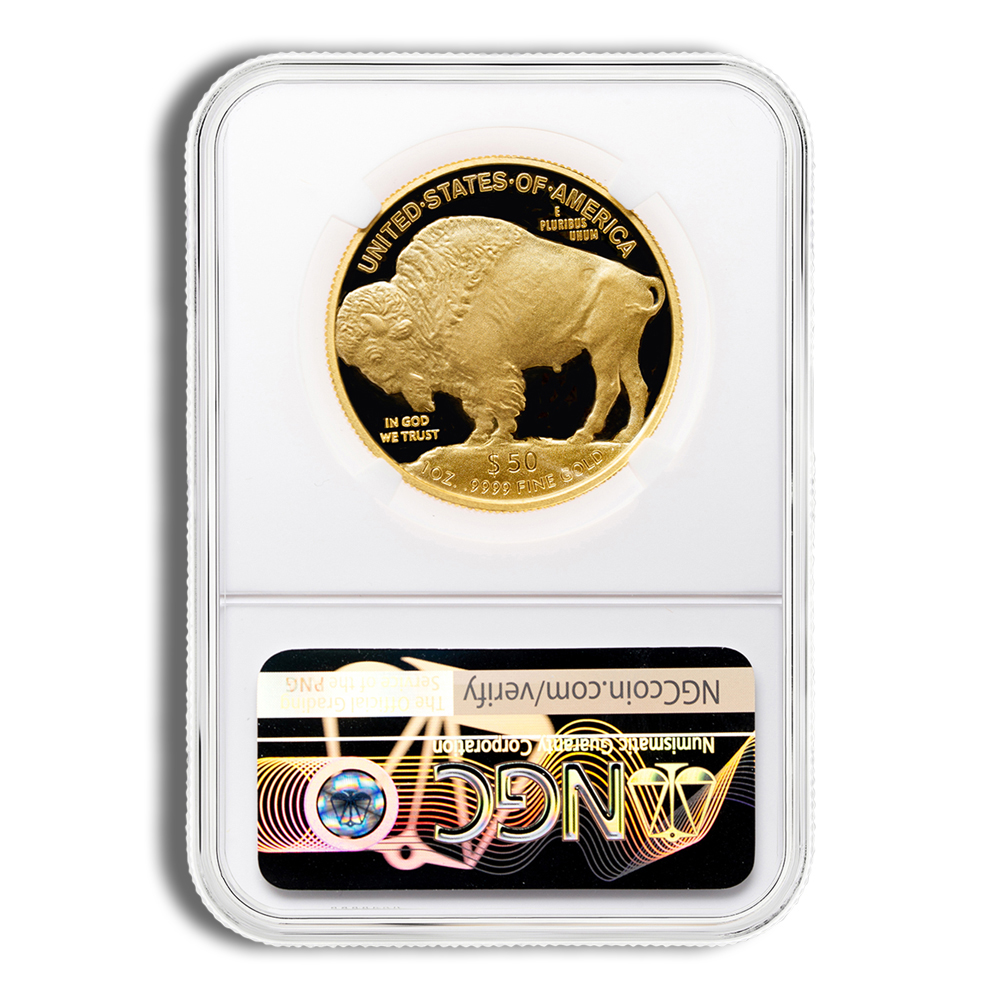
Numismatics (collectible coins) aren’t for everyone.
While some rare coins appreciate in value, they are NOT the best choice for most investors. Numismatic premiums can be high, and their value is often tied to collector demand rather than metal content.
That being said…
✔ If you’re already wealthy and have storage concerns, certain numismatic coins can make sense as a space-saving asset.
✔ If you’ve already built a strong base stack of bullion, collecting rare coins can be a fun way to diversify.
✔ If you’re truly passionate about coin collecting, it can be a rewarding hobby.
But until your core stacking goals are met, numismatics shouldn’t be your focus. Stick with high-purity bullion until you’ve built a solid foundation.
Passion Keeps Your Stack Alive
Stacking should never feel like a chore. It should be exciting, rewarding, and something you genuinely enjoy.

While most of your stack should be strategic and well-planned, it’s okay to have fun with it, too.
– Modern collectible coins? Sure, if they interest you.
– Poured silver? Absolutely—if you admire the craftsmanship.
– A special piece you’ve always wanted? Go for it.
These “treats” can keep stacking from becoming boring—they make the journey fun and personal. Just don’t let them become the bulk of your portfolio until your main investment goals are met.
Final Thoughts: Build a Smart, Strong Stack
✔ Stick to a DCA strategy—don’t try to time the market.
✔ Never go into debt for metals—buy what you can afford.
✔ Diversify with coins, bars, and fractional pieces for flexibility.
✔ Avoid oversized silver bars unless you have a specific plan for them.
✔ Numismatics are for collectors and the wealthy—not core stackers.
✔ Make stacking personal—passion keeps the journey exciting.
In the next chapter, we’ll dive into how to store and protect your metals—because owning gold and silver is only half the battle. Keeping them safe and accessible is just as important.
Let’s make sure your stack is as secure as your strategy.
Chapter 4: Storing Your Precious Metals – Security Done Right

Owning gold and silver is only half the equation—keeping it safe is just as important. You’ve worked hard to build your stack, so the last thing you want is to make it an easy target for thieves. The best investors don’t just think about what they own, but how they protect it.
Let’s make one thing clear: not all safes are created equal.
Those cheap safes you see at big-box stores? They’re not much better than a heavy-duty shoebox. If you’re serious about stacking, you need to be just as serious about security. In this chapter, we’re going to break down exactly what you need to know about safes, placement, and the psychology of theft so you can protect your investment the right way.
Not All Safes Are Created Equal
If you take nothing else from this chapter, remember this:
🚨 Do NOT buy a safe from Tractor Supply, Home Depot, Walmart, or any big-box store. I’ll guess there are 3 Big names everyone knows. I won’t specifically say the name of those companies but it’s best not to keep your metals in those safes…
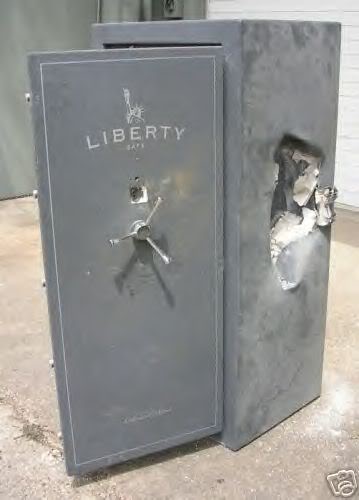
These safes are designed to give you a false sense of security. They might look heavy-duty, but in reality, they are poorly built, easily broken into, and often have weak locks. If a determined thief walks in with a pry bar, they’re inside in minutes—if not seconds.
At a minimum, you should be looking at a UL Listed TL-15 safe.
Let’s break down what that means.
Understanding Safe Ratings (TL-15, TL-30, TL-30×6)
A UL rating is a security certification given to safes based on how long they can withstand an attack from a professional safe cracker using specialized tools.
✔ TL-15: Can withstand 15 minutes of professional attack. This might not sound like much, but to an average thief? It’s a lifetime. Most criminals will give up after 2-3 minutes if they can’t get in.

✔ TL-30: Can withstand 30 minutes of professional attack. These safes are significantly tougher and will stop all but the most determined (and highly skilled) thieves.
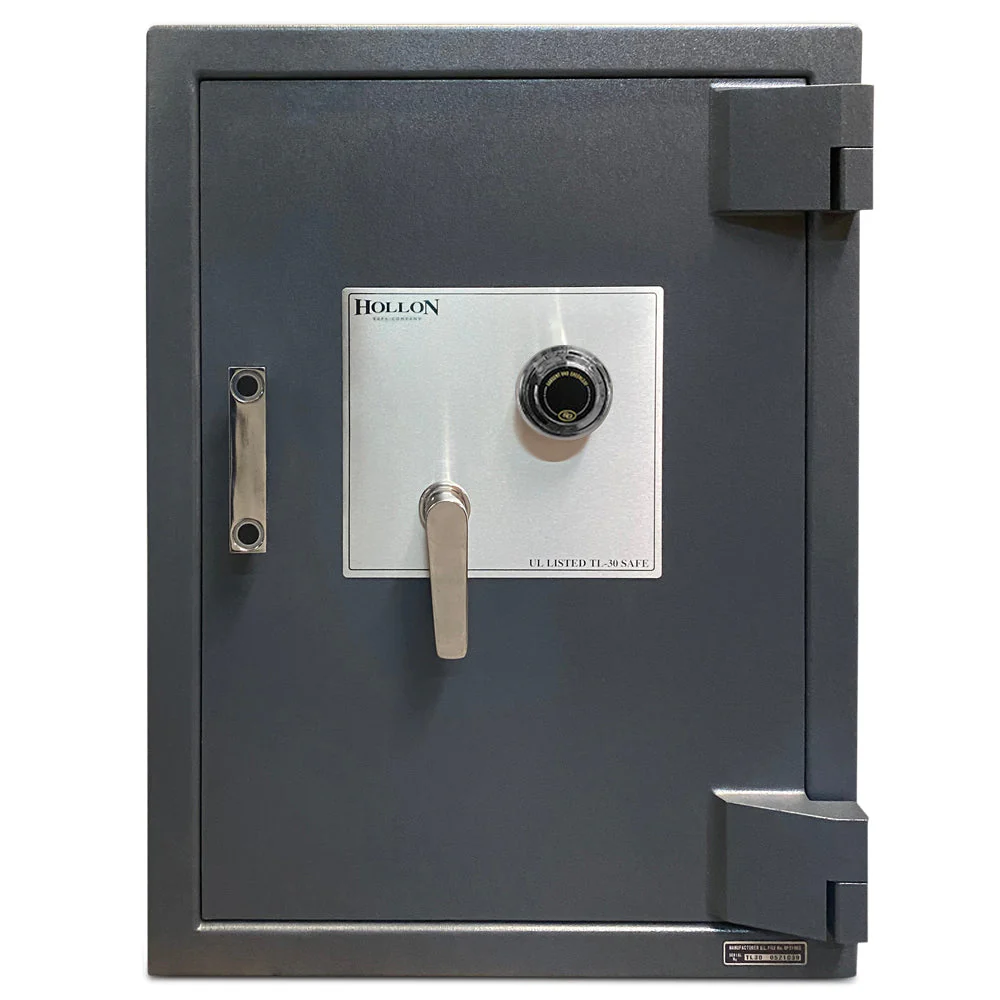
✔ TL-30×6: The gold standard. This safe is rated for 30 minutes of attack on all six sides. Most safes only have protection on the door—this one is reinforced from every angle.
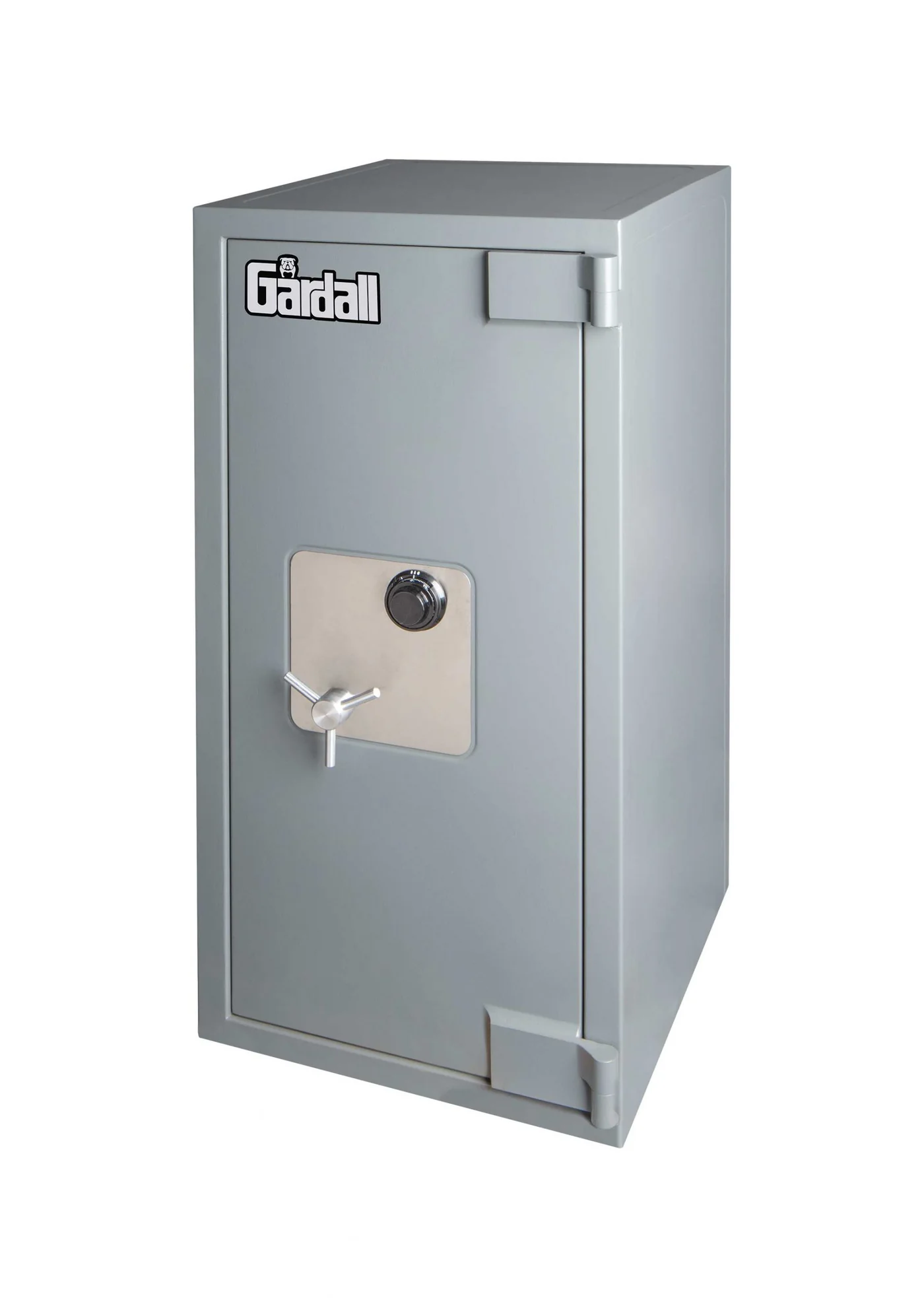
Avoid Digital Locks at All Costs
We’re not going to get into the details of how, (I will not teach people with ill intentions) but let’s just say that digital locks are not secure. Hackers and thieves can exploit vulnerabilities that allow them to access even high-rated safes in under 10 minutes. I often compare some of these very simple tools and some very sophisticated to being the equivalent of having a garage door opener to all of your valuables…
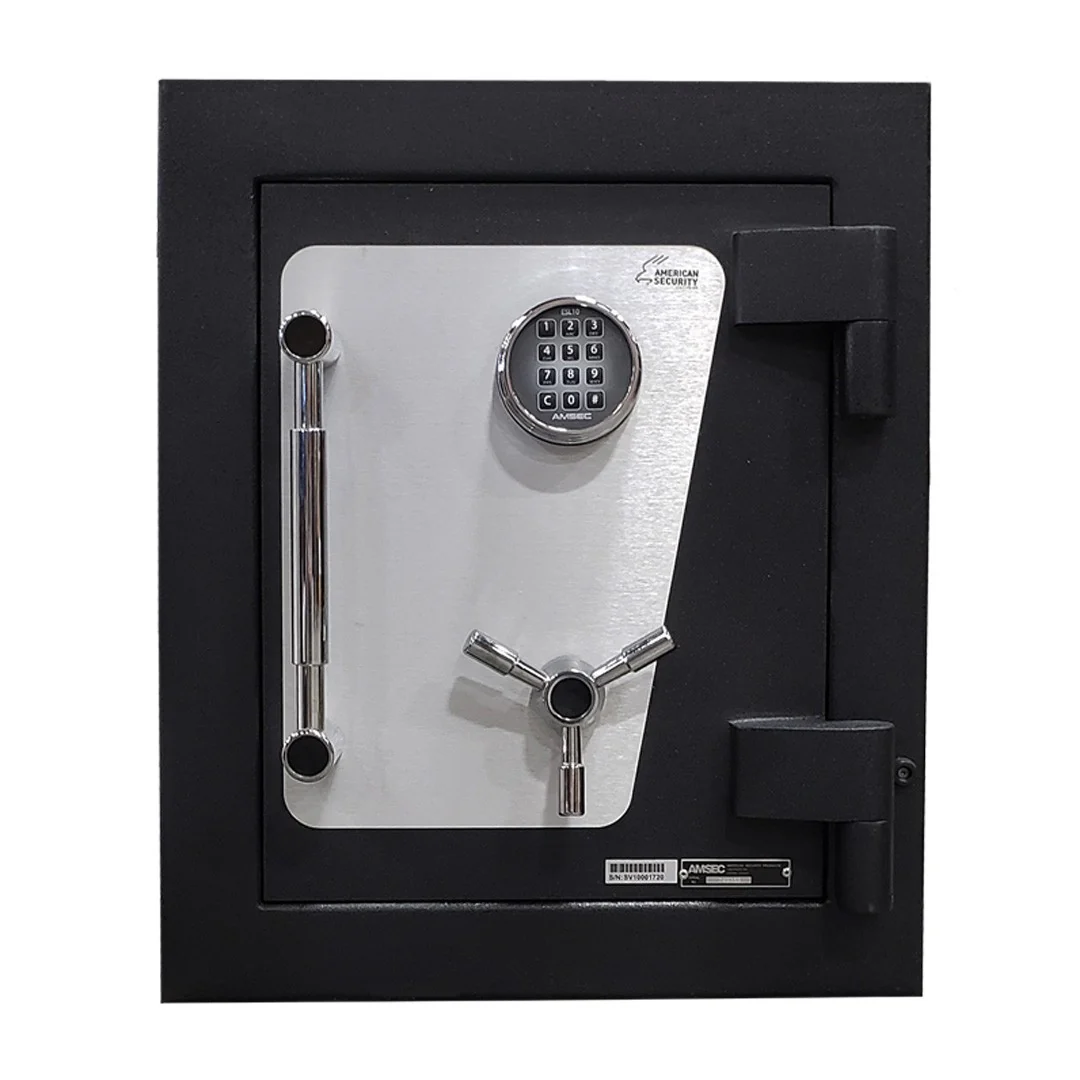
What should you get instead? A UL Listed Combination Lock. Yes, it takes a little longer to open, but it’s nearly impossible for thieves to manipulate.

How Much Should You Spend on a Safe?
There’s a simple formula for this:
👉 Be willing to spend at least 10% of your metal holdings or goal holdings on a proper safe!
If your goal is $25,000 in gold and silver, budget $2,500 for a TL-15 safe.
If your goal is $200,000, budget up to $20,000 for a TL-30×6 safe. (This would be a very very large safe) – Likely over 70″ H x 40″ W and over 4,000 pounds.
Yes, that might sound like a lot, but let’s be realistic—what’s the point of investing in metals if they’re not properly protected? A quality safe is a one-time investment that will last for decades, protecting your metals as they appreciate in value.
Plan for Growth – Get a Safe That’s Big Enough
One of the biggest mistakes people make? Buying a safe that’s too small. (We actually did this not realizing our goals were larger than the safe we started with)

Think ahead. If you’re planning to keep stacking, your safe should have plenty of extra room for future metals. The last thing you want is to outgrow your safe too quickly and have to go through the hassle (and cost) of upgrading.
When selecting a safe for your precious metals, it’s essential to consider both your current holdings and future acquisition plans.
Safes are typically measured in cubic feet, indicating their internal storage capacity. For instance, a standard “Monster Box” containing 500 American Silver Eagle coins measures approximately 14.75 inches (length) x 8.5 inches (width) x 4.5 inches (height), totaling about 0.33 cubic feet.
In contrast, gold, being denser and more valuable per ounce, occupies significantly less space; even substantial gold holdings can fit into a relatively small area.
Given these differences, it’s advisable to choose a safe that not only accommodates your current collection but also allows room for future growth. If you plan to invest heavily in silver, which requires more storage space, opt for a safe with ample capacity.
Conversely, if your focus is primarily on gold, a smaller safe may suffice. Planning for a safe that aligns with your long-term investment goals ensures both security and convenience as your collection expands.
Placement Matters: Where Should You Keep Your Safe?

These high-security safes are heavy and compact for their weight. Make sure your floor can support the load. Ideally, you’ll place your safe on a concrete foundation to prevent structural issues.
✔ Bolt It Down: Even if your safe weighs 800+ lbs, it’s still a good idea to bolt it to the floor. If a thief can’t break into it, their next move is trying to haul it away. Don’t give them the option.
What If You Don’t Have a Safe Yet?
Not everyone can afford a high-end safe right away, or maybe you’re renting and can’t install one. In that case, you need to get creative.
Where do thieves look first?
Master bedroom – The most common place people keep valuables.
Master Closets – Another go-to for thieves.
Master Bathroom – Many people store jewelry, prescription drugs, and valuables here.
Where should you store your metals instead?
✔ Under the kitchen sink – Unlikely to be checked.
✔ Spare hallway closet – Avoid any main bedroom closets.
✔ Garage storage in a nondescript container – Somewhere inconspicuous.
The key is to avoid obvious places. Thieves are looking for fast, easy scores. If they can’t find your valuables within minutes, they’re far more likely to give up.
Fire Protection: Are You Sacrificing Security for Fire Resistance?

Many high-end safes already have excellent fire ratings, usually 2-3 hours at extreme temperatures. That means you’re not giving up fire protection to get better security.
🔥 The best security safes protect against both fire and theft.
Final Thoughts: Secure Your Stack the Right Way
✔ Avoid cheap, big-box store safes.
✔ Only buy UL Listed TL-15, TL-30, or TL-30×6 safes.
✔ Stick to mechanical combination locks—avoid digital locks.
✔ Be willing to invest at least 5% – 10% of your stack value in a proper safe.
✔ Plan ahead—buy a safe you can grow into.
✔ Consider floor strength—heavy safes need solid foundations.
✔ If you don’t have a safe yet, store metals in less obvious places.
A properly stored stack is a secure stack. No one likes to think about theft, but the reality is gold and silver are valuable assets. Protecting them should be just as important as owning them.
In the next chapter, we’ll cover something just as crucial—avoiding common mistakes in precious metals investing. Whether it’s overpaying for premiums, falling for scams, or making costly errors, we’ll make sure you know exactly what NOT to do.
Chapter 5: Avoiding Common Mistakes – What NOT to Do When Investing in Precious Metals

Stacking gold and silver is one of the most rewarding moves you can make—but only if you do it right. Unfortunately, too many people fall into traps that cost them money, limit their flexibility, or make their journey far more stressful than it needs to be.
This chapter is all about helping you sidestep the biggest mistakes in the metals market. Some of these errors are common among beginners, while others trip up even experienced investors. But once you know what to look out for, you can stack with confidence and avoid costly regrets.
Mistake #1: Overpaying for Premiums
One of the biggest (and easiest) mistakes is paying way too much over spot price.
Gold and silver have a spot price, which is the current market value per ounce. However, when you buy bullion, there’s also a premium—the additional cost that covers minting, dealer markups, and demand.
✔ Okay So What’s reasonable?
- Government-minted coins (Eagles, Maples, Britannias, etc.) have higher premiums due to demand, but they hold value well.
- Rounds and bars typically have lower premiums and are a great way to stack more ounces for less.
– Avoid overpriced / high premium collectible coins unless you truly understand their numismatic value.
🚨 What to watch out for:
– Dealers pushing “limited edition” or “exclusive” coins that have massive markups.
(Confirm the coin is truly limited before committing to it. You can check sold comps on eBay, look up other retailer prices or even check population numbers on PCGS and NGC)
– Buying from sketchy sellers who charge far beyond reasonable premiums.
(Just as important, if the premium is too low, it’s likely too good to be true)
– Getting emotional about purchases and paying more than necessary.
(Don’t make decisions based on fear! When we are fearful, we are not rational.)
The fix? Compare premiums across products and dealers. Stick with well-priced, reputable bullion.
Mistake #2: Falling for Scams & High-Pressure Sales Tactics
Precious metals attract scammers and aggressive salespeople. Some dealers prey on fear, pushing overpriced numismatic coins, overhyped metals, or unnecessary storage services.
🚨 Red flags to watch for:

❌ “Once-in-a-lifetime” deals – Real bullion doesn’t need hype. If it sounds too good to be true, it probably is.
❌ “The government is coming for your gold” tactics – Scammers use fear to convince you to buy overpriced coins they claim are “safe from confiscation.”
❌ “Rare” coins sold as an “investment” – Unless you’re a serious collector, these are usually not worth it.
✔ The fix? Buy from reputable, well-reviewed dealers and avoid anyone using fear or pressure tactics.
Mistake #3: Betting Too Big or Using Debt to Buy Metals
We’ve said it before, but it’s worth repeating: never go into debt to buy metals.
✔ Gold and silver are long-term investments, not quick flips.
✔ Prices fluctuate—if you buy with borrowed money and prices dip, you could be forced to sell at a loss.
✔ True financial security comes from owning metals outright, not owing money on them.
The fix? Invest what you can afford, stack consistently, and let time do the work.
Mistake #4: Focusing Too Much on One Type of Metal or Size Some investors make the mistake of going all-in on one type of metal or only buying large bars.

✔ Gold and silver work best together.
– Gold is great for preserving large amounts of wealth.
– Silver offers more liquidity and affordability.
– A balanced mix keeps you flexible.
🚨 What to watch out for:
❌ Only buying large bars – Yes, they have lower premiums, but liquidity can be an issue. Many wholesalers are paying under spot for larger bars right now. (2/4/25)
❌ Only stacking government coins – They’re great, but they come with higher premiums. Consider adding bars and rounds for better value.
✔ The fix? Diversify your stack. Have a mix of coins, bars, and fractional pieces for flexibility.
Mistake #5: Ignoring Storage & Security

Owning metals is one thing—keeping them secure is another. If your storage plan is weak, you could be putting your entire investment at risk.
❌ Keeping metals in obvious locations – Thieves look in master bedrooms, closets, and bathrooms first.
❌ Buying a cheap safe from a big-box store – These can be broken into in minutes.
❌ Using digital locks on a safe – Hackers and thieves can bypass them with the right tools.
✔ The fix? Upgrade to a real safe. A TL-15, TL-30, or TL-30×6 safe is the best way to protect your stack. If you can’t get a safe yet, hide your metals in unexpected places (kitchen, garage, hallway closet).
Mistake #6: Selling Too Soon or Panicking During Dips

Gold and silver prices fluctuate—it’s part of the game. But too many investors panic-sell when prices drop, locking in losses instead of staying the course.
✔ Gold and silver are long-term assets. Prices may dip in the short term, but history shows they always recover.
✔ If you’re stacking consistently (DCA), dips are opportunities, not disasters.
✔ The fix? Have a plan, stick to it, and don’t let emotions dictate your investments.
Mistake #7: Not Having an Exit Strategy

While stacking metals is about long-term security, eventually, you may want to sell or trade some of your stack.
✔ Ask yourself: What is my end goal?
- Will you sell some metals to buy a house or another investment?
- Will you pass your metals down to family?
- Will you use them as a retirement hedge?
✔ Know where you’ll sell when the time comes.
– Some dealers offer better buyback prices than others.
– Avoid pawn shops—they pay far below market value.
– If time is on your side and you are in no rush, eBay can be a great place to sell. There are also Facebook groups and Reddit pages dedicated to this, but we would only advise this for more experienced sellers as there are many scammers out there.
Final Thoughts: Learn from Others’ Mistakes & Stack Smarter
The best investors learn from experience—but even better ones learn from other people’s mistakes.
✔ Pay attention to premiums—don’t overpay.
✔ Avoid scams and high-pressure sales tactics.
✔ Invest within your means—don’t use debt.
✔ Diversify your stack—balance liquidity and value.
✔ Take security seriously—store your metals right.
✔ Stick to your plan—don’t panic during dips.
✔ Have a long-term strategy for when and how to sell.
By avoiding these common pitfalls, you can build a strong, secure, and profitable stack that serves you for decades to come.
In the next chapter, we’ll wrap up everything you’ve learned and help you take the next steps toward securing your financial future with precious metals.
Chapter 6 Next Steps – Building Your Future with Confidence

By now, you have a solid foundation in precious metals investing. You understand why gold and silver matter, how to build a smart, flexible stack, where to store it safely, and what mistakes to avoid. That’s more than most people will ever learn—and you’re just getting started.
The truth is, precious metals are not just an investment. They are a safeguard, a hedge, and a form of true financial independence. Unlike stocks, real estate, or fiat currency, gold and silver are assets you control completely—no middlemen, no counterparty risk, just real, tangible wealth in your hands.
What You Should Take Away from This Guide
✔ Invest consistently—Dollar-Cost Averaging (DCA) removes stress and uncertainty.
✔ Never go into debt to buy metals—own what you can afford.
✔ Build a diversified stack—balance liquidity, flexibility, and security.
✔ Avoid unnecessary premiums—focus on bullion, not hype.
✔ Store your metals wisely—get a real safe, not a big-box store special.
✔ Think long-term—gold and silver aren’t a get-rich-quick scheme.
This isn’t about chasing short-term gains or trying to time the market perfectly. It’s about playing the long game, securing your financial future, and having real wealth that you can count on no matter what happens.
Your Next Steps
1️⃣ Start (or continue) stacking with confidence. Whether you’re just getting started or refining your strategy, take action based on the knowledge you’ve gained.
2️⃣ Review your storage plan. If you don’t have a proper safe, start researching the right one for your needs. If your metals aren’t stored securely, make it a priority to fix that.
3️⃣ Stay informed. Precious metals investing is a lifelong journey. Markets shift, strategies evolve, and new opportunities arise. Keep learning, stay adaptable, and always make informed decisions.
4️⃣ Connect with a trusted dealer. Whether you’re buying, selling, or just seeking guidance, working with a dealer who actually understands the market (and isn’t just trying to sell you something) makes all the difference.
5️⃣ Enjoy the process. Investing in metals isn’t just about numbers—it’s about peace of mind, personal security, and building something lasting. Keep it interesting. Add pieces that excite you. Make it a journey, not just a transaction.
Final Thoughts
At the end of the day, you’re in control of your financial future. Gold and silver aren’t magic—they’re just time-tested, battle-proven assets that have preserved wealth for thousands of years. They’ve outlasted empires, financial crises, and fiat currency failures—and they’ll outlast whatever comes next.
Now, you have the knowledge and confidence to invest wisely, protect your assets, and make decisions that align with your goals.
So, what’s next? Keep stacking, stay smart, and build a future that’s truly yours.
Your Stacking Journey Starts Now
At Atlas Bullion, we know that buying gold and silver isn’t a one-size-fits-all process. Everyone has different goals, budgets, and reasons for stacking, which is why we focus on personalized customer support—helping you make the best decisions for your unique situation.
We offer:
✔ A wide selection of precious metals—available for purchase directly on our website.
✔ Curated and custom options lists—if you have a budget in mind, we can help tailor a stacking strategy that works for you.
✔ Precious metals subscriptions—the perfect way to Dollar-Cost Average (DCA) and build your stack over time with consistency and discipline.
No pressure, no hype—just real metals, real knowledge, and real support.
We’d love to be a part of your stacking journey, but whether you choose us or another dealer, we genuinely hope this guide has given you the confidence to start stacking and securing your financial future.
Now, take that first step—your future self will thank you.
📍 Visit us at Atlas Bullion and let’s build something real.
email: kenzie@atlasbullion.com
Phone: 870-712-4665